Created by Manon “Ahma” Harvey · Body of Chi Preview of Ahma’s Tao Somatics work
The Five Elements offer a traditional map of qualities we can cultivate. In Tao Somatics, we explore these alongside movement, breath, awareness, and selected neural functions.
Qualities come first. The examples below explore what can make them harder to access and how practice may offer another response. Emotions are part of being human; they are not failures or fixed labels.
From movement to lived qualities
Targeted movement turns each quality into something you can explore through your body. We pair a specific focus — such as coordination, gaze, body sensing, rhythm, or balance — with an elemental quality, then practise with breath and attention. Small, repeated experiences become opportunities to bring that quality into daily life.
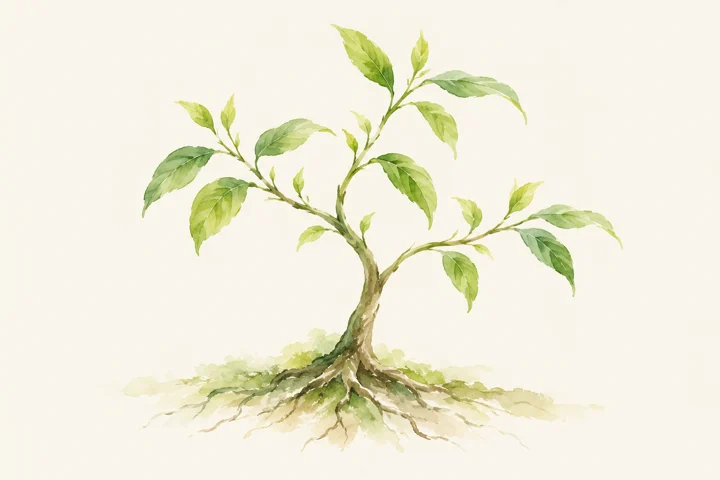
Wood
Growth · Flexibility · Clear decisions
Cultivate inner direction, adapt to change, and move forward with purpose.
Neural connection in this framework Motor cortex — movement and motor learning
What can get in the way?
Frustration, indecision, or feeling stuck can make flexibility and clear direction harder to access.
An everyday example: After a frustrating conversation, you might notice a clenched jaw or rigid shoulders, and find it harder to decide your next step.
Cultivating the quality through practice
Intentional reaching and gentle spirals practise planning a movement and changing direction. We pair this with choosing a direction, staying flexible, and exploring a new response.
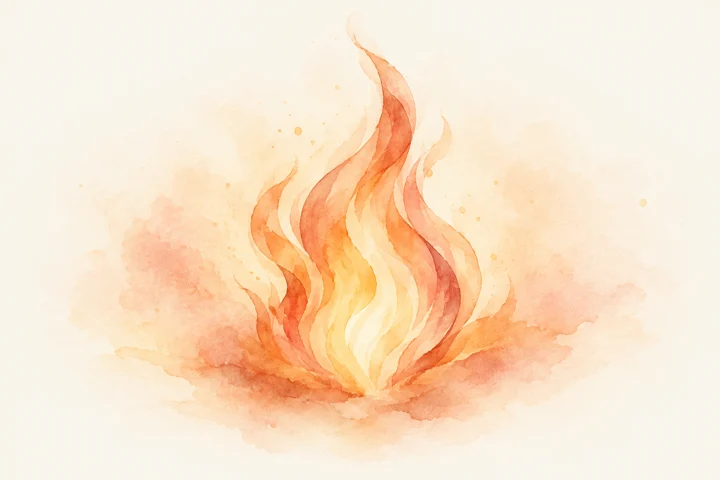
Fire
Joy · Connection · Presence
Cultivate warmth, openness, and a more attentive connection with yourself and others.
Neural connection in this framework Prefrontal and visual cortex — attention and vision
What can get in the way?
Anxiety, agitation, or emotional overload can make it harder to feel present and connected.
An everyday example: After a demanding day, your attention may jump between tasks while your breath and gaze feel hurried.
Cultivating the quality through practice
Soft-gaze and eye–hand practices explore visual attention and coordination. We pair this with slowing down, being present, and making space for warmth and connection.
Earth
Grounding · Nourishment · Stability
Cultivate a sense of support, return to your centre, and listen to your body’s needs.
Neural connection in this framework Sensory cortex and insula — body awareness and inner sensing
What can get in the way?
Worry, rumination, or a lack of grounding can draw attention away from physical support and body sensations.
An everyday example: When replaying a concern, you may stop noticing your feet on the ground or the support of your chair.
Cultivating the quality through practice
Mindful stepping, comfortable touch, and slow weight shifts bring attention to pressure and body sensations. We pair this with feeling supported, finding stability, and noticing what you need.
Metal
Clarity · Discernment · Release
Cultivate clearer boundaries, recognise what matters, and make space to let go.
Neural connection in this framework Cerebellum — timing, rhythm, and coordination
What can get in the way?
Grief, holding on, or rigidity can make it harder to find spaciousness and a flexible rhythm.
An everyday example: During a period of loss or pressure, you might notice a held chest, smaller breaths, or difficulty changing pace.
Cultivating the quality through practice
Rhythmic movements and breath-led arm arcs explore timing and coordination. We pair this with noticing when to engage, soften, or pause — an embodied practice of discernment and letting go.
Water
Stillness · Wisdom · Inner courage
Cultivate steadiness, listen inwardly, and meet uncertainty with patience and courage.
Neural connection in this framework Vestibular system and brainstem — balance and orientation
What can get in the way?
Fear, insecurity, or exhaustion can make trust and steadiness harder to access.
An everyday example: In an unfamiliar situation, you may brace, hesitate to move, or find it difficult to settle.
Cultivating the quality through practice
Supported weight shifts and gentle orientation practices explore balance at your own pace. We pair this with pausing, listening inwardly, and meeting a manageable challenge with steadiness and courage.
Notice. Explore. Repeat. Integrate.
Your emotional experience helps guide what we explore in posture and movement. In turn, noticing how you breathe, balance, and move can deepen your awareness of how you feel. Together with a personalised movement and sensory assessment, these observations help shape your practices. We review your responses and repeat at a manageable pace.
The element-to-neural links are part of Ahma’s Tao Somatics teaching framework, not established one-to-one anatomical correspondences. Emotions and body patterns vary; these examples do not diagnose organ or brain dysfunction.